
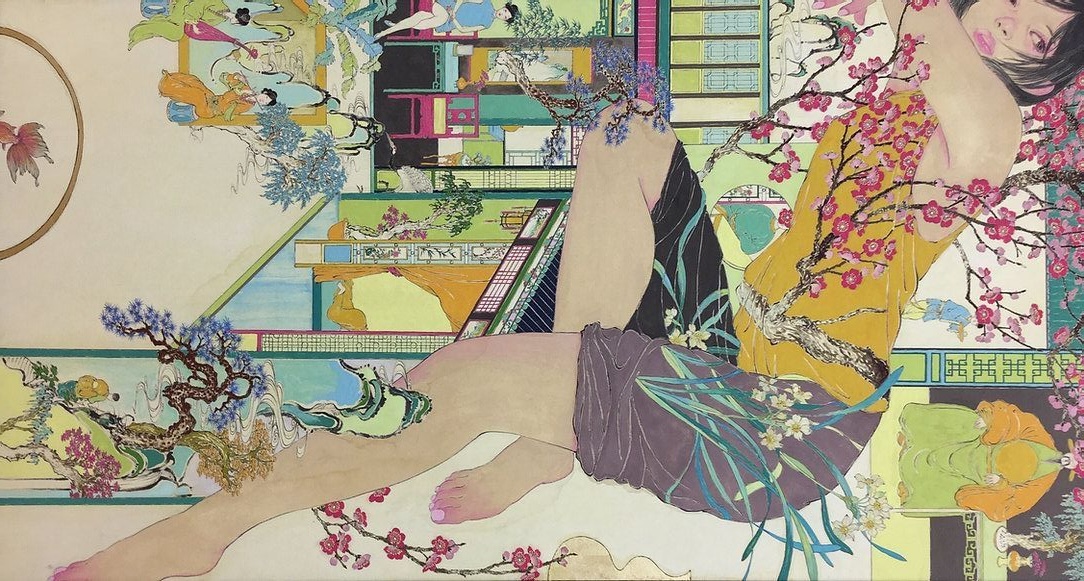
What Is Wabi Sabi?
The concept is made up of two words: Wabi originally referred to the loneliness of living in nature, but today it suggests a simple, humble lifestyle that finds peace in solitude. It also means finding contentment with less. Sabi refers to the beauty that comes with age and use—like rusted metal, faded colors, or the patina on old wood. It’s about the quiet charm of time passing. Together, wabi sabi describes a deep appreciation for the imperfect and the impermanent. It’s not flashy or loud—it’s gentle, honest, and warm.
Everyday Examples of Wabi Sabi
You can find Wabi Sabi in many aspects of Japanese culture: Tea bowls in traditional tea ceremonies are often uneven or cracked, highlighting their handmade character and making each one unique. Architecture uses natural materials that change with time—like wood that fades or tatami mats that wear down. Seasonal customs and arts, such as ikebana (flower arranging), express transience and subtle beauty. One famous example is kintsugi, the Japanese art of repairing broken pottery with gold. Instead of hiding the cracks, kintsugi fills them with golden lacquer, making the break part of the object’s story. That’s wabi sabi in action—imperfection doesn’t take away the beauty. If anything, it makes it more special.
Wabi Sabi in Hanatsubaki Magazine
You can also feel the Wabi Sabi spirit in our magazine, Hanatsubaki. Even though we mainly focus on beauty and culture, many of the ideas we share connect deeply with the idea of Wabi Sabi. For example, the magazine’s layout and visual design often use soft colors, quiet space, and calm images. Rather than being loud or flashy, the design reflects subtle elegance — a key part of Wabi Sabi. Hanatsubaki also features content that follows the seasons — with photos of flowers, nature, and traditional arts that change throughout the year. This seasonal awareness is very Japanese and deeply tied to the idea of transience, which is central to Wabi Sabi. Sometimes the magazine highlights handmade items, traditional crafts, or older artists whose works carry the weight and warmth of time. This respect for aging and imperfection is exactly what Wabi Sabi means.
Why It Matters
In today’s fast-moving, picture-perfect world, wabi sabi gives us a slower, more thoughtful way to see things. It’s like a little reminder that things don’t have to be beautiful and brand new, and getting older or changing is never a bad thing.
Wabi sabi helps us let go of pressure to be perfect. It teaches us to appreciate what we already have, even if it’s not new or flawless.
Hanatsubaki believes that mindset can bring more peace and less stress to our everyday lives—and help us feel more connected to the small, meaningful moments.
Wabi Sabi in the Modern World
These days actually, more and more people around the world are drawn to the idea of Wabi Sabi — especially in the fields such as design, fashion, and everyday lifestyle. Wabi Sabi also connects with minimalism. Instead of constantly buying new things, people are learning to live with less and appreciate what they already have. It’s about choosing things that feel meaningful — not perfect. You might notice Wabi Sabi in modern home decor: old wooden furniture, handmade ceramics, or soft, earthy tones that create a calm and cozy feeling. Some people even love walls with cracks or faded paint because they tell a story of time and living. In a world where photos are easily edited and perfection is always expected, the unique Japanese idea of wabi sabi might be something we need to learn right now.
Even on Instagram or Pinterest, you’ll see creators sharing moments that carry Wabi Sabi vibes: a simple cup of tea, a wrinkled linen blanket, or a rainy street lit by soft light. These quiet, gentle moments hold their own kind of beauty — and that’s exactly what wabi Sabi celebrates.
How to Apply
You can start to take part in the spirit of Wabi Sabi into your daily life from today.
-
- Choose natural, simple items instead of mass-produced ones.
-
- Embrace small imperfections in your work or surroundings.
-
- Make time and space for cherishing stillness and quiet moments in your day. Even a small act—like drinking tea slowly or lighting a candle—can bring you a Wabi Sabi moment.
Final Thoughts
Wabi Sabi invites us to slow down, look closely, and find meaning in the ordinary.It’s not about creating something beautiful — it’s about discovering the beauty that already exists in our daily lives.In a world that constantly pushes for more, Wabi Sabi is a quiet reminder that less can be more — and that we believe there is true elegance in imperfection.
It helps us reconnect with what feels real, warm, and honest — even in our simplest moments.